
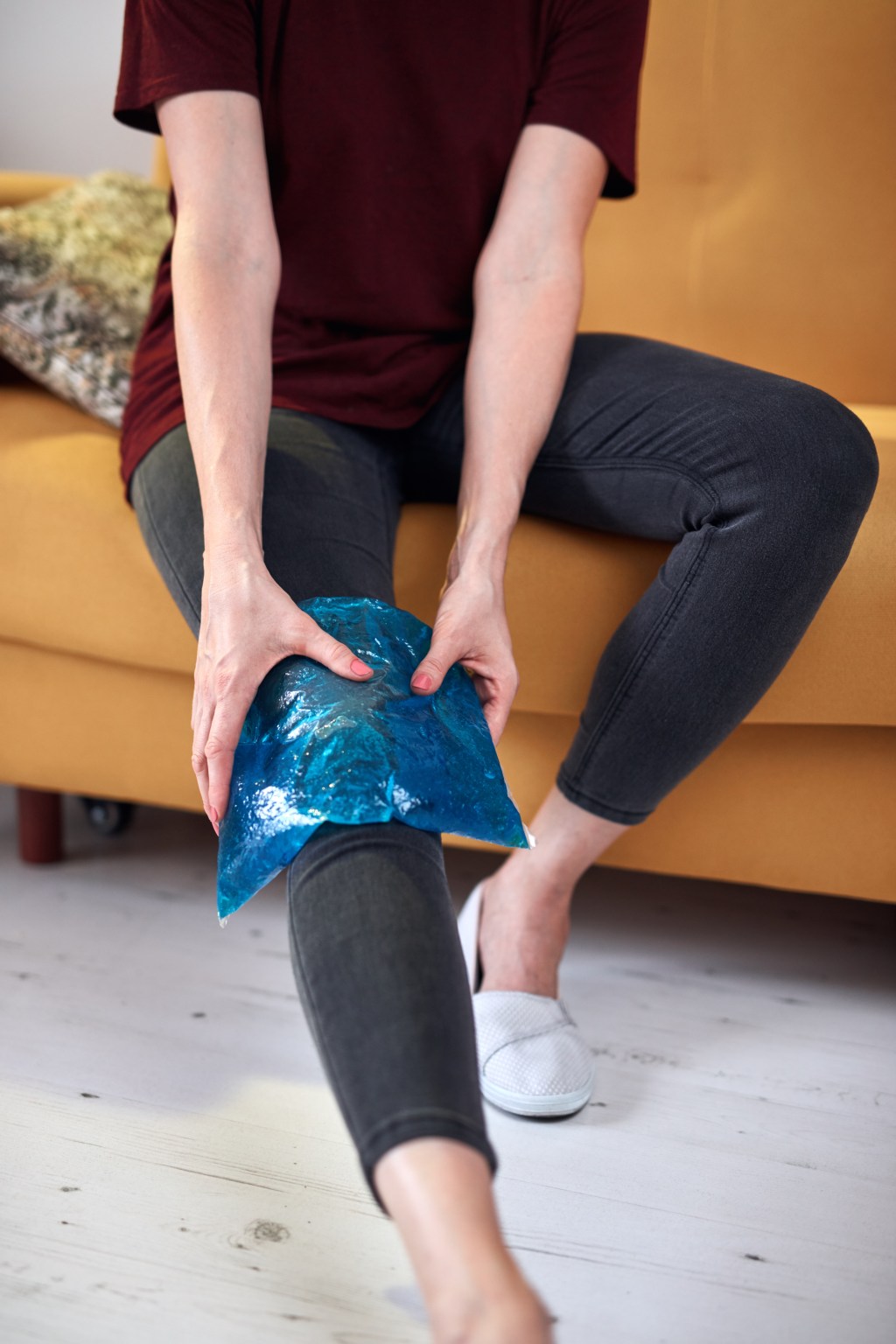
Icing, also known as cryotherapy, is an easy and powerful technique that plays a crucial role in the recovery process for surgery patients. From reducing pain and inflammation to promoting tissue healing, incorporating an effective icing routine can significantly enhance your recovery journey. Here’s everything you need to know about the importance of icing and how to incorporate it into your post-surgery recovery plan.
What You’ll Learn
- Pain Relief: Icing provides immediate relief by numbing the affected area and dulling pain signals from surgery.
- Reduction of Inflammation: Cold therapy constricts blood vessels, reducing swelling and inflammation around the surgical site.
- Faster Healing: By minimizing inflammation, icing promotes quicker healing and improves circulation to the injured area.
- Incorporate Properly: Ice for 15-20 minutes at a time, use a cloth to protect the skin, and elevate the area to enhance effectiveness.
- Follow Precautions: Monitor skin sensations for any adverse effects, avoid excessive pressure, and consult your healthcare provider before starting an icing routine.
The Benefits of Icing
1. Pain Relief: One of the primary benefits of icing is that it provides almost immediate pain relief by numbing the affected area. Cold therapy helps dull pain signals, giving you temporary relief from the discomfort that comes with surgery.
2. Reduction of Inflammation: Surgery, or any significant wound, often triggers an inflammatory response in the body, causing swelling and discomfort. Applying ice helps constrict blood vessels and reduce blood flow to the area, which minimizes inflammation and swelling.
3. Faster Healing: By reducing inflammation and swelling, icing promotes faster healing of wounds and tissues. Cold therapy can also improve circulation, providing essential nutrients and oxygen to the injured area, which aids in the healing process.
4. Prevention of Secondary Damage: Inflammation can sometimes lead to secondary tissue damage if left unchecked. Icing helps prevent this damage by keeping swelling down and reducing the risk of complications through your recovery.
Incorporating an Icing Routine
1. Timing: Start icing as soon as possible after surgery to maximize its benefits. Talk to your doctor and follow their recommendations around how often and how long you should be icing. In the early stages of your recovery, you may need to ice the area multiple times a day.
2. Duration: Aim to ice the affected area for 15-20 minutes at a time. Be sure to give your skin time to warm up between icing sessions to prevent frostbite or skin damage. Repeat this process several times throughout the day, as recommended by your doctor.
3. Technique: Use a cold pack or ice pack wrapped in a thin cloth to protect your skin from direct contact with the ice. Apply gentle pressure to the affected area and move the ice pack in small circles to ensure even coverage. Avoid applying ice directly to surgical incisions or wounds.
4. Elevation Whenever possible, elevate the affected area above the level of your heart while icing. This helps reduce swelling and promotes better circulation, enhancing the effectiveness of cold therapy.
5. Consistency: Stay consistent with your icing routine throughout the entire duration of your recovery period. Even as your pain and swelling subside, continue to incorporate regular icing sessions to support ongoing healing and minimize the risk of complications.
Precautions and Considerations
1. Monitor Skin Sensations: Pay attention to how your skin responds to icing. If you experience numbness, tingling, or excessive coldness, remove the ice pack immediately and allow your skin to warm up.
2. Avoid Excessive Pressure: Apply gentle pressure when icing to avoid putting excessive strain on the surgical site. Do not press too hard or use heavy weights to hold the ice pack in place.
3. Consult Your Healthcare Provider: Always consult with your healthcare provider before starting an icing routine, especially if you have any pre-existing medical conditions or concerns.
Conclusion
Icing is a valuable tool in your post-surgery recovery arsenal, with many benefits including pain relief, inflammation reduction, and accelerated healing. By adding an effective icing routine into your recovery plan and following proper techniques and precautions, you can optimize your healing process and pave the way for a smoother and more comfortable recovery journey.
 NovaNav Content Library