
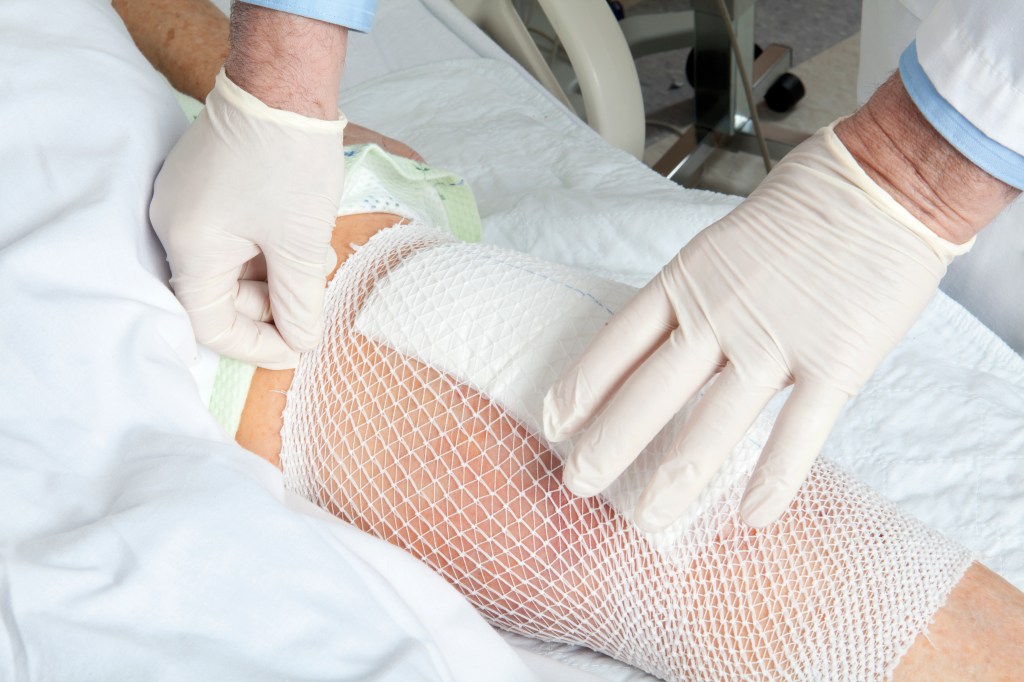
Proper wound care is important for a successful recovery after surgery. Whether you’ve undergone a minor procedure or a major operation, the way you care for your surgical incisions can significantly impact the healing process and minimize the risk of complications. In this guide, we’ll explore the importance of good wound care, along with essential instructions and red flags to watch out for.
What You’ll Learn
- Prevent Infection: Proper wound care reduces infection risk by keeping the wound clean and protected.
- Promote Healing: Effective care supports faster healing and minimizes scarring by maintaining a clean, moist environment.
- Follow Instructions: Adhere to your healthcare provider’s guidelines for cleaning, dressing changes, and using ointments as needed.
- Monitor for Complications: Watch for signs of infection, such as increased pain, redness, swelling, foul odor, or fever, and contact your provider if these occur.
- Regular Dressing Changes: Change dressings as instructed, use sterile materials, and avoid adhesive bandages directly on the incision to prevent irritation.
The Importance of Good Wound Care
1. Prevention of Infection: Proper wound care helps prevent infection, which is one of the most common complications associated with surgical incisions. Keeping your wound clean and protected reduces the risk of bacteria entering the wound site and causing an infection.
2. Promotion of Healing: Effective wound care promotes faster healing by creating an optimal environment for the body’s natural healing processes. By keeping the wound moist, clean, and protected, you can support tissue regeneration and minimize scarring.
3. Reduction of Complications: By attending to your surgical incisions with care, you can minimize the risk of complications such as delayed healing, wound dehiscence (opening of the wound), and hypertrophic scarring. Consistent wound care can also help identify potential issues early, allowing for prompt intervention if needed.
Instructions for Wound Care
1. Keep the Wound Clean: Wash your hands thoroughly with soap and water before touching the wound. Use a gentle, fragrance-free soap to clean the area around the incision, taking care not to scrub or irritate the skin. Rinse the wound with lukewarm water and pat it dry with a clean, soft towel.
2. Follow Healthcare Provider’s Recommendations: Your healthcare provider will provide specific instructions for caring for your incision. Follow these instructions carefully, including how often to clean the wound, what products to use, and when and how to change dressings.
3. Change Dressings Regularly: Change the dressing over your surgical incision as instructed by your healthcare provider. Use sterile gauze pads or wound dressings to cover the incision and keep it clean and protected. Avoid using adhesive bandages directly on the incision, as they can cause skin irritation.
4. Keep the Wound Moist: Depending on your healthcare provider’s recommendations, you may need to apply a thin layer of antibiotic ointment or petroleum jelly to the wound to keep it moist. Moist wound healing has been shown to promote faster healing and reduce scarring.
5. Monitor for Signs of Infection: Keep a close eye on your incision for any signs of infection, including redness, swelling, warmth, increased pain, or drainage of pus. If you notice any of these symptoms, contact your healthcare provider immediately.
Red Flags to Watch Out For
1. Increased Pain: While some pain and discomfort are normal after surgery, an increase in pain at the surgical site could indicate a complication such as infection or wound dehiscence.
2. Redness and Swelling: Persistent redness and swelling around the surgical incision may be signs of infection or inflammation. Monitor these symptoms closely and report any changes to your healthcare provider.
3. Foul Odor or Drainage: If you notice a foul odor or unusual drainage coming from the surgical incision, it could indicate an infection. Contact your healthcare provider for further evaluation.
4. Fever: A fever is often a sign of infection or other underlying complications. If you develop a fever after surgery, especially if it’s accompanied by other symptoms such as chills or sweating, seek medical attention immediately.
Conclusion
Good wound care is essential for a successful recovery after surgery. By following proper wound care instructions and monitoring for red flags, you can support the healing process and reduce the risk of complications, allowing you to return to normal activities as quickly and safely as possible. Always consult with your healthcare provider if you have any concerns or questions regarding your wound care routine.
 NovaNav Content Library