
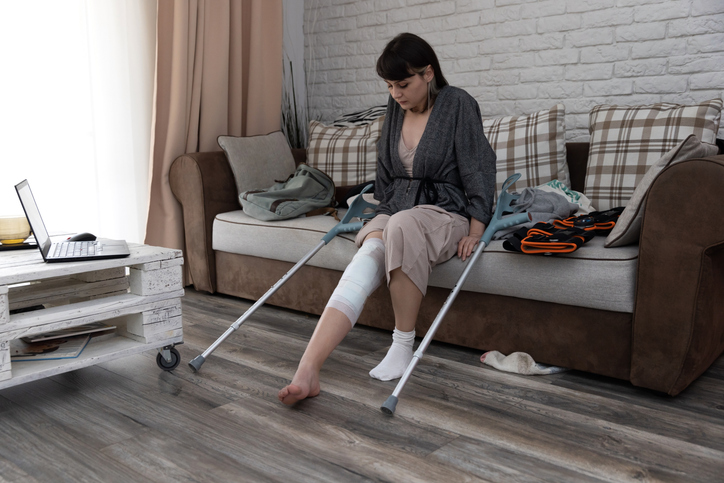
Preparing your living space for recovery is crucial for ensuring a smooth and comfortable healing process. From eliminating potential hazards to creating a restful environment, here’s a detailed guide on how to set up your home to support your recovery journey:
What You’ll Learn
- Clear Pathways: Go through your living space and remove tripping hazards and create ample room for mobility aids like crutches or walkers.
- Bedroom Setup: Arrange a ground-floor bedroom with easy access to essentials and supportive pillows for comfort.
- Bathroom Safety: Install grab bars, use a shower chair, and ensure non-slip mats to prevent falls; keep toiletries within reach.
- Kitchen Accessibility: Place frequently used items at waist height, use lightweight utensils, and consider a sturdy chair for tasks.
- Assistive Devices: Have walkers, canes, or reachers readily available, and familiarize yourself with their use before surgery.
Steps to Create a Comfortable Recovery Space
1. Clear Pathways: Start by walking through your living space and seeing if you need to move items to create clear pathways for easy mobility. Remove any obstacles such as rugs, furniture, or electrical cords that could pose a tripping hazard. Make sure that there is enough space to get through safely, especially if you’re using mobility aids such as crutches or a walker.
2. Bedroom Setup: If possible, arrange to have your bedroom on the ground floor to minimize the need for stairs. Make your sleeping area comfortable and accessible with easy access to essentials like water, medications, a phone, and entertainment items. Consider investing in supportive pillows or cushions to help you find a comfortable sleeping position.
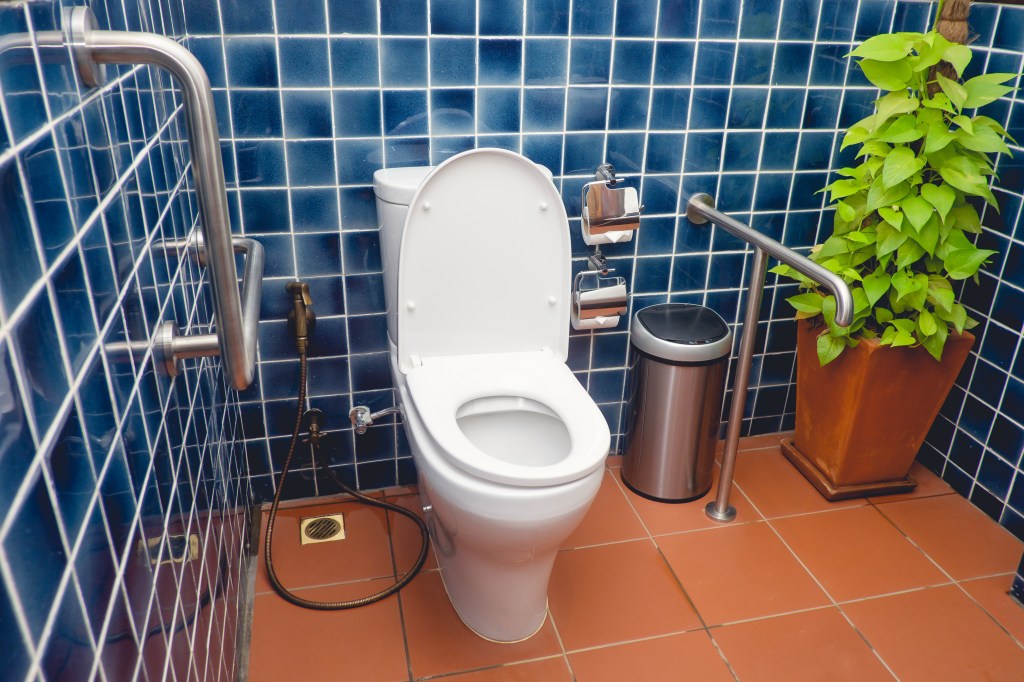
3. Bathroom Safety Make your bathroom safer and more accessible by installing grab bars near the toilet and shower or bathtub. Consider adding a shower chair or bench so you can bathe while seated. Ensure that bath mats have non-slip backing to prevent falls, and keep toiletries within easy reach.
4. Kitchen Accessibility: If you’ll be spending time in the kitchen during your recovery, ensure that it’s set up to accommodate your needs. Place frequently used items at waist height to avoid bending or reaching. Consider using lightweight dishes and utensils to minimize strain, and use a sturdy chair or stool so you can sit while you cook.
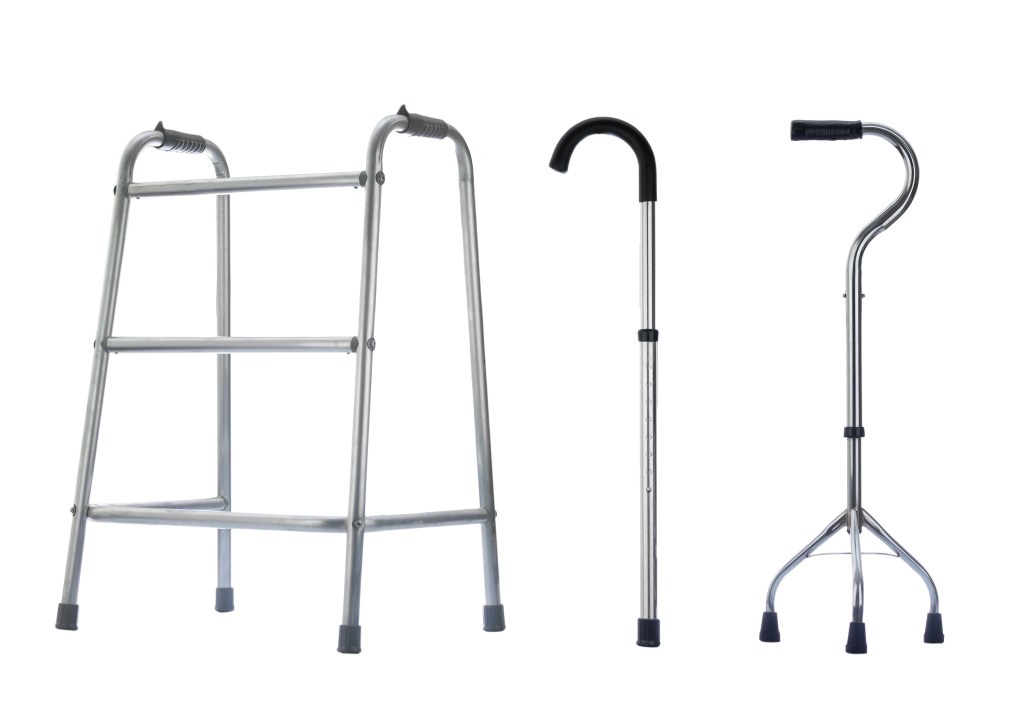
5. Assistive Devices: Depending on your surgery and mobility limitations, you may want to invest in some assistive devices such as walkers, canes, or reachers. Familiarize yourself with how to use these before your surgery, and ensure that they’re readily available in your living space when you return home.
6. Comfort and Convenience: Prioritize comfort and convenience in your living space to promote relaxation and healing. Set up comfortable seating areas with supportive pillows and blankets for resting and recuperating. Keep essential items like medications, water, snacks, and entertainment within arm’s reach to minimize the need for excessive movement.
7. Temperature Control Maintain a comfortable temperature in your living space to support your recovery. Ensure that your heating or cooling systems are functioning properly, and consider using fans, space heaters, or extra blankets to adjust the temperature as needed.
8. Emotional Support: Surround yourself with items that bring you comfort and joy during your recovery. Display photos, artwork, or other meaningful objects that lift your spirits and provide emotional support. You can also cultivate a calming atmosphere with soft lighting, soothing music, or aromatherapy.
9. Emergency Preparedness: In case of an emergency, ensure that your living space is equipped with essential safety features such as smoke detectors, fire extinguishers, and emergency contact information. Keep a phone or emergency alert system nearby in case you need to call for help.
Conclusion
By taking the time to prepare your living space for post-surgery recovery, you can create a safe, comfortable, and supportive environment that facilitates healing and promotes a faster return to health. Don’t hesitate to enlist the help of friends, family members, or healthcare professionals if you need assistance with any aspect of your recovery journey.
 NovaNav Content Library