
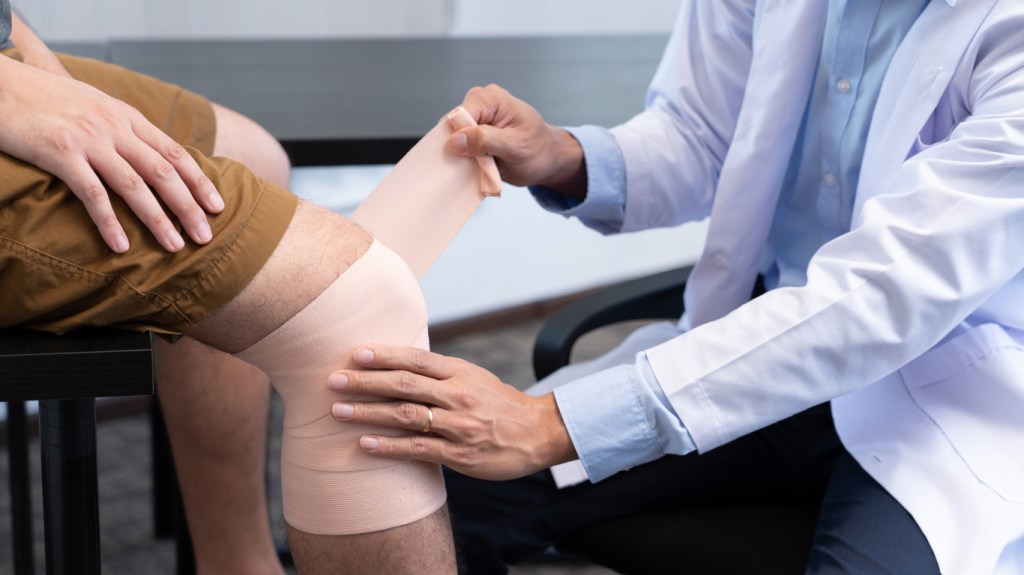
Recovering from knee surgery requires careful post-surgery care, including providing support and stability to the affected joint. Properly wrapping your knee can aid in reducing swelling, managing pain, and promoting healing during the recovery process. In this article, we’ll explore the steps and techniques for wrapping your knee effectively after surgery.
What You’ll Learn
- Purpose of Knee Wrapping: Wrapping helps reduce swelling, provide support, and manage pain by compressing the knee and improving circulation.
- Choosing Materials: Use high-quality elastic bandages for flexibility and compression; optional padding can enhance comfort.
- Wrapping Technique: Start below the knee and wrap upward in a spiral pattern, ensuring moderate tension and overlapping layers; secure with tape or a clip.
- Wearing the Wrap: Follow your healthcare provider’s instructions on when to wear the wrap, generally during activity or prolonged standing.
- Monitor for Issues: Watch for signs like increased pain, numbness, skin irritation, or worsening swelling, and consult your healthcare provider if these occur.
Understanding the Purpose of Knee Wrapping
Wrapping your knee serves several key purposes during your recovery period:
Reducing Swelling: Compression from the wrap helps minimize swelling by preventing fluid buildup in the tissues surrounding the knee.
Providing Support: Wrapping provides additional support to the knee joint, helping to stabilize it and reduce strain during movement.
Managing Pain: Compression can help alleviate pain by reducing pressure on sensitive nerves and promoting circulation to the area.
Choosing the Right Materials
When selecting materials for wrapping your knee, opt for:
Elastic Bandages: Choose a high-quality elastic bandage specifically designed for use on joints. These bandages provide adequate compression while allowing for flexibility and movement.
Padding (Optional): If you’d like, you can use a thin layer of padding, such as foam or gauze, between the elastic bandage and your skin for added comfort and protection.
Preparing Your Knee
Before wrapping your knee, ensure that:
- Your skin is clean and dry to prevent irritation or infection.
- Any wounds or incisions are properly covered with sterile dressings as directed by your healthcare provider.
Wrapping Technique
Follow these steps to wrap your knee effectively:
- Start Below the Knee: Begin wrapping the bandage a few inches below your knee joint, securing the end of the bandage with a few wraps to anchor it in place.
- Wrap Upward: Wrap the bandage around your knee in a diagonal or spiral pattern, moving upward toward the thigh. Ensure that each layer overlaps the previous one by about half of the bandage’s width.
- Maintain Even Tension: Apply moderate tension to the bandage as you wrap, ensuring a snug but not overly tight fit. Avoid wrapping too tightly, as this can restrict circulation and cause discomfort.
- Cover the Entire Knee: Continue wrapping until you reach a few inches above the knee joint, then secure the end of the bandage with tape or a clip to hold it in place.
- Check for Comfort and Mobility: After wrapping, check that the bandage feels comfortable and allows for normal movement of the knee joint. Adjust the tension if necessary to ensure a proper fit.
When to Wear the Wrap
Your healthcare provider will provide specific instructions on when and how long to wear the knee wrap each day.
In general, you may be advised to wear the wrap during periods of activity or when standing for extended periods to provide support and reduce strain on the knee joint.
Monitoring for Red Flags
While wrapping your knee can be beneficial, it’s essential to monitor for any signs of discomfort or adverse reactions, such as:
- Increased pain, numbness, or tingling
- Skin irritation or redness
- Swelling that persists or worsens
If you experience any of these symptoms, remove the wrap immediately and consult your doctor to make sure you can stay on track with your recovery.
Follow Healthcare Provider’s Instructions
Always follow your healthcare provider’s specific recommendations regarding knee wrapping, including the duration and frequency of use.
If you have any questions or concerns about wrapping your knee, don’t hesitate to reach out to your healthcare provider for guidance.
Conclusion
Wrapping your knee can be an effective way to provide support, reduce swelling, and manage pain during the recovery process after your knee surgery. By following proper techniques and guidelines, you can ensure that your knee wrap provides the necessary support and comfort to aid in your rehabilitation and promote a successful recovery. Remember to communicate with your healthcare provider and seek assistance if you encounter any difficulties or concerns.
 NovaNav Content Library